
📍 Quick Facts & Useful Info
Location📍 Sardinia
Accommodations nearby🏡 10 Mare In holiday resorts starting from Infinity km
Are you interested in buying a Newfoundland? Probably yes—otherwise you wouldn't be reading this article. You've probably already heard how wonderful Newfoundlands are; Well, I think you should also realize—before it's too late—that NEWFOUNDLANDS ARE NOT THE PERFECT BREED FOR EVERYONE. As a race, they have characteristics that some find fascinating, but that others find unpleasant and still others find completely intolerable.
There are different breeds for different needs—more than 200 dog breeds worldwide. Maybe you'd be better off with a different race. Maybe you'd get along better with a cat. Or with a goldfish, a parrot, a hamster, or a houseplant...
Don't buy a Newfoundland if you like it mainly for its appearance
The appearance of the Newfoundlands you've seen in show rings is the result of many hours of washing and grooming. This carefully crafted beauty is fleeting: a few minutes of freedom—running through the fields or walking in the rain—restores its natural appearance—that of a big, shaggy farm dog, usually with a bit of dirt and grass tangled in its tousled fur. The true beauty of the Newfoundland lies in its character, not in its appearance. The appearance of some long-haired breeds and all short-haired breeds is less dependent on grooming than that of the Newfoundland. (See also the section on grooming below)
Don't buy a Newfoundland unless you're willing to share your home and your life with your dog
Newfoundlands were bred to help the family with their work (fishing, pulling carts, etc.) and to spend most of the day with them. They thrive in company and want to be wherever you are. They're happier when they stay home with you and come along when you go out. Although they can tolerate being left alone at home (preferably with a small dog door leading to a fenced-in yard), they should not be confined to the backyard or a kennel; A puppy that has been banished from the home will likely grow up to be unsociable, undisciplined, and unhappy. He may also develop habits that will bother you and your neighbors, such as digging or barking. Even an adult dog that has been banished from home will be unhappy. If you don't really want to spend as much time as possible with your dog—enjoying the fact that you share your bedroom with him at night and spend most of your day with him—you should choose a breed that is less dependent on human companionship. The same applies if your job or other commitments don't allow you to spend much time with your dog. No dog is truly happy without company, but hunting dogs, for example, are better able to tolerate being kept in a kennel or yard if they are in groups of two or more. A better choice would be to get a cat, since they are solitary by nature.
Don't buy a Newfoundland unless you plan to train your dog
Basic obedience and training in household rules are NOT optional for Newfoundlands. At the very least, you must teach him to always respond to the commands “come,” “down,” “stay,” and to walk by your side—with or without a leash—without giving in to temptations. You also need to teach him to follow the house rules: for example, is he allowed to climb on armchairs and sofas? Can he ask for food at the table? It doesn't matter what he can or cannot do; what is *essential* is that you—and not the dog—make these decisions and enforce them consistently and persistently. You must commit to attending 8 to 10 weeks of classes with an instructor or at an obedience club and doing your "homework" for 5 to 20 minutes once or twice a day. As you learn new commands, you should incorporate them into your daily life by using them consistently whenever needed. Newfoundland puppies are fairly easy to train: they want to please you, and they’re intelligent and calm, with a fairly good attention span. Once a Newfoundland has learned something, it usually remembers it well. Your small, sweet, and cute Newfoundland puppy will grow into a big, strong dog: if he’s raised to respect you and your rules, his physical and mental strength will work in your favor; If, on the other hand, he has grown up without your guidance and without rules, he will certainly create his own, and his physical and mental strength will often clash with your wishes and needs. For example: it can pull you along the road as if it were in a sled race; can steal food from the table; He may not let your friends into "his" house.
You cannot delegate this training to others (for example, by sending the dog to stay with a trainer) because the relationship of respect and obedience is a personal one between the dog and the person who trained it. Even though you may definitely want the help of an expert to teach you how to train your dog, you have to do it yourself. Once a lesson has been thoroughly learned, all family members (except for small children) should work with the dog, ensuring that the dog obeys them as well.
Many of the Newfoundlands rescued from public or private shelters clearly show that they have received little or no training; These same dogs, however, respond well to the training they receive from the people who rescued or adopted them. It is likely that a lack of training is often the reason why Newfoundlands are abandoned.
If you don't plan on training your dog—preferably when it's a puppy—you'd be better off choosing a small breed with a docile temperament.
Don't buy a Newfoundland unless you have a dominant (assertive) personality
Dogs do not believe in social equality; they live in a hierarchical society led by a pack leader (Alpha). The alpha is usually generous and affectionate and does not mistreat his subordinates, but there is no doubt in his mind—nor in the minds of the other pack members—that he is the leader and that he sets the rules. No matter what breed he is, if you don't take charge, sooner or later the dog will, with unpleasant consequences for you. Like untrained dogs, a dominant dog sets its own rules and imposes them on other family members through body language and eye contact, followed by a growl and then a shove or a bite. There are differences in the tendency toward social dominance among different breeds, and even among individuals of the same breed, the differences can be significant. You don't need the personality or mannerisms of a Marine sergeant, but rather the calm self-confidence and assertiveness of a good parent ("Because I'm your mother, that's why") or the perfect elementary school teacher. If you think you might have trouble getting your dog to obey you calmly and confidently, choose a breed known for its social docility—such as a Golden Retriever—AND be sure to ask the breeder to select one of the most docile puppies from the litter for you. If the very idea of "being the boss" scares you or repels you, don't get a dog; Cats don't expect a leader; A little bird, a hamster in its cage, or a fish doesn't need a leader or rules for getting along.
Leadership and training are inextricably linked: a dominant personality allows you to train your dog, and being trained by you reinforces your dog’s perception of your position as the pack leader.
Don't buy a Newfoundland unless you appreciate a calm and affectionate companion
A Newfoundland is very attached to its family and becomes devoted, but doesn't show it. Some are very reserved, others are more outgoing, but adults rarely show their love in an exuberant way. They love being close to you—usually in the same room and preferably on a cozy blanket or pillow under the table—just keeping you company. They really enjoy it when you talk to them, cuddle them, and pet them, but they don't insist on it. They are sensitive to the emotions of their loved ones: when you are happy, proud, angry, or sad, your Newfoundland picks up on it immediately and believes it is the cause. Your relationship can be deep, close, and full of tenderness: it is a relationship between adults, even if it is playful. A puppy, of course, will be more dependent, playful, and outgoing. In summary, Newfoundlands tend to be reserved and thoughtful, rather than frivolous and fawning.
Don't buy a Newfoundland if you want your house to always be spotless
The Newfoundland's long, thick coat and its love of water and mud make it a highly efficient "carrier" of dirt: it leaves it on floors, carpets, and sometimes even on furniture and your clothes. On a rainy day, a Newfoundland dog that comes back inside after just a few minutes outside can turn a spotless house into a quagmire in a matter of seconds. His broad chest soaks up water every time he drinks, and then it drips onto the floor or into your lap, soaking you. Newfoundlands shed seasonally, and in the spring you can easily fill a trash bag with the hair you "collect" while grooming them, or clog up the vacuum cleaner if you let the hair fall out naturally. I'm not saying you have to be messy or unkempt to live happily with a Newfoundland, but for you, your dog's companionship has to matter more than perfection, and you have to be comfortable in a home that isn't exactly spotless.
Although all dogs, like children, create a certain amount of mess in the house, compared to the Newfoundland, almost all other breeds cause fewer problems. Perhaps the Basenji is the cleanest, given its “cat-like” habits, but cats are even cleaner, and goldfish cause almost no trouble at all.
Don't buy a Newfoundland if you find drool completely repulsive
Most Newfoundland owners are a little put off by the drool at first, but since it's an integral part of being a Newfoundland, this aversion usually turns into indifference. One characteristic of a Newfoundland enthusiast is that not only do they fail to understand people’s aversion to this substance, but they also spend hours thinking of possible uses for the liters of drool produced every day. It is said that the world record for "drool throwing" by an adult Newfoundland is more than 6 m! That's why even an average "messy person" can easily get on your walls and ceilings. Newfoundlands drool because of the structure of their mouth and jaw, which allows them to breathe during water rescues; this is a characteristic of the breed.
If you can't get used to the idea of a dog drooling in your home, consider a breed of dog that doesn't drool. Newfoundlands definitely do not fall into this category. Although I've heard of cats that drool, there's certainly no comparison in terms of amount, and hamsters don't drool at all.
Don't buy a Newfoundland if you don't want to groom it regularly
The Newfoundland's long, thick coat requires regular grooming, not only to keep it looking nice but also to maintain skin health and to detect and remove grass seeds, plant debris, ticks, and other dangerous parasites. Set aside 10–15 minutes a day for "at-home" grooming (for example, while listening to music or watching TV) every other day, or half an hour twice a week. Of course, every time your Newfoundland gets tangled up in ryegrass or other vegetation that gets caught in its coat, you'll have an hour or more of work ahead of you to fix it. In areas where Lyme disease is prevalent, you should check your dog every day during tick season. "At-home" grooming doesn't require any special skills, just time and a methodical approach. "Show-quality" grooming, on the other hand, requires a great deal of skill and significantly more time and effort—or the help of a professional.
Almost all Newfoundlands rescued from shelters show signs of months without grooming, resulting in matted fur and extreme dirtiness, sometimes with urine and feces caked into the rear sections of their coats. It seems that reluctance to groom one's pet is a primary cause of abandonment.
Many dog breeds require less care; There are almost none with short hair.
Don't buy a Newfoundland if you're not up for daily exercise
Newfoundlands need exercise to maintain heart and lung health and muscle tone. Because of its gentle, calm, and often lazy nature, your Newfoundland won't get enough exercise unless you take it for walks or play with it. An adult Newfoundland should go for a morning and an evening walk of one and a half kilometers or more, with you walking at a brisk pace alongside him. For a puppy, however, shorter, slower walks several times a day are preferable and are also useful for training.
All dogs need daily exercise, some more than others. If you're unable to provide that, choose a small, energetic dog that can exercise on its own in your yard. Most Toy dogs and terriers fit this description, but don't be surprised if terriers are prone to digging—the breed was bred to hunt in burrows. Cats can exercise indoors with a fake mouse attached to a string; Hamsters exercise on their wheels; Houseplants don't need exercise.
Don't buy a Newfoundland if you think dogs should run "free"
Whether you live in the city or in the countryside, no dog may be allowed to roam “free” outside your fenced property without your supervision and control. The inevitable price of such "freedom" is injury or death resulting from fights with other dogs, collisions with cars, or confrontations with neighbors who are angry for good reason—or a trip to the public shelter, where the dog may be euthanized. Although Newfoundlands are homebodies and are less likely than other breeds to wander off, a Newfoundland left to roam freely is bound to get into trouble. In carefully selected environments, a well-trained Newfoundland can enjoy the limited freedom—under your supervision—of an off-leash walk.
If you don't want to take on the responsibility of keeping your pet under control and supervising it, then no dog of any breed is right for you. A neutered cat may survive such irresponsibly granted freedom a little longer than a dog, but in the long run, it, too, will come to a bad end. A better solution for those who want a "free-roaming" animal might be to set up feeding stations for native wildlife (such as raccoons), which will take advantage of them and, in the long run, may come to tolerate your presence while they do so.
Don't buy a Newfoundland if you can't afford to buy it, care for it, and provide it with medical care
Newfoundlands are not an inexpensive breed, because a breeding program that takes into account temperament, trainability, and physical health (especially hip health) is costly. In addition, we must also take into account the time the breeder would need to devote to the preliminary training and socialization of each puppy. A "bargain" puppy bought from a "weekend" breeder who randomly pairs two random Newfoundlands without any selection can end up being very costly due to a bad temperament, poor health, and a lack of essential socialization. Sometimes, however, you can find an adult dog or an older puppy at a good price from a disillusioned owner or from breeders, shelters, or private individuals to whom the dog was abandoned: Most of these “secondhand” Newfoundlands can become wonderful dogs if you can provide them with training, guidance, and understanding. No matter what the initial price of your Newfoundland is, it won't be cheap to care for. Since they're large dogs, Newfoundlands eat relatively large meals (and need I say that what goes in must eventually come out?). Large dogs usually incur higher veterinary costs, since the dosage of anesthesia and medications is proportional to body weight. The cost of spaying or neutering—which is higher for large-breed dogs—is practically unavoidable for all pet Newfoundlands, as it “takes the worry out of it,” prevents serious health problems in old age, and makes the dog a more pleasant companion. Newfoundlands are prone to two conditions that can be expensive to treat: hip dysplasia and gastric torsion (The best way to prevent hip dysplasia is to buy a puppy whose parents—and, if possible, grandparents—have been certified as free of the condition.) Yes, that usually means paying more. Although there may be a genetic predisposition to gastric torsion, there are no screening tests that would allow for selective breeding to prevent it. The best way to prevent this is to avoid feeding your dog immediately before or after intense physical activity.) Professional grooming, if you use it, is expensive; Even a grooming kit for home use can be quite expensive, but it will last a lifetime. Finally, the modest fee for a basic obedience course is an essential investment for living in harmony with your dog, and the cost is the same for all dog breeds. The same applies to the amount needed for annual vaccinations and any applicable fees.
Any dog, regardless of breed—even if purchased for just a few lire—incurs significant maintenance costs, and all dogs are susceptible to costly veterinary emergencies; The same goes for cats.
Don't buy a Newfoundland if you want "the latest and most ferocious killer fighting dog"
The famous description of the Newfoundland as the “gentle giant” is no myth: a Newfoundland with the breed’s typical temperament would rather greet a criminal than attack him. In addition, because they have been selectively bred for water rescue, Newfoundlands are dogs with "delicate mouths." Unlike a protection dog—which is trained to bite on command or in response to a physical attack on its owner—a “deterrent dog” deters potential robbers, rapists, or assailants through its presence, appearance, and behavior: when a potential criminal sees it, they decide to look for a more vulnerable victim elsewhere. All you need for this task is a large dog that looks well-trained and fearless. The Newfoundland is perfect for this role, with the added advantage of its dark color and "wild", shaggy appearance, which enhance its formidable and frightening effect. If you teach your dog to bark a couple of times in response to a command—such as “Zanna, watch out for that!” rather than “Fifì, do you want a treat?”—this skill can be useful for increasing the deterrent effect.
Don't buy a Newfoundland unless you're ready to commit to him for his entire life
No dog deserves to be abandoned because its owners want to move to an apartment where pets aren’t allowed, or because it’s no longer a cute puppy, or because, as it grew up, it didn’t turn into a show-quality beauty, or because its owners, by failing to provide proper training and guidance, allowed it to become an unmanageable “juvenile delinquent” with many undesirable behaviors. The chances of finding a responsible and loving second home for a "rescue" dog are never very high, but when it comes to a large, shaggy, untrained dog, they're even lower. A Newfoundland left at a shelter has almost no chance of survival—unless it is incredibly lucky enough to be spotted by someone dedicated to rescuing abandoned Newfoundlands. The chances of a well-trained, well-cared-for young Newfoundland being adopted—whose owner seeks help from the nearest Newfoundland Club—are quite good, but those of an older Newfoundland are lower. If you are diagnosed with an incurable illness or have an equally valid reason to find a new home for your dog, please contact your local Newfoundland Club. Do this even if you start having trouble training your dog, so you can work through those challenges. Make arrangements in your will or with your family members to ensure that your Newfoundland receives care or is placed with a foster family if you were to die before him.
The life expectancy of a Newfoundland is about 10 years. If that seems like too long a time to commit to your Newfoundland, please don't get one! Or rather, since all dogs have a life expectancy that's the same or longer, don't get a dog.
In conclusion...
If all this "bad news" about Newfoundlands hasn't turned you off the breed, then GET A NEWFOUNDLAND right away! They really are as wonderful as you've been told!
If you're buying a puppy, be sure to go to a responsible and knowledgeable breeder who prioritizes good temperament, trainability, and health in every breeding. A breeder of this caliber will carefully screen and educate potential buyers, remain available throughout the dog’s life to offer advice, and insist on taking the dog back if you are unable to keep it.
Would you like to stay near these places full of charm and curiosity? Fill out the form to receive our best proposals.
📬 Request a quote
Enter your contact details to be reached back with no obligation.
🏷️
Best Price Guaranteedlower than other portals
🚢
Ferry discounts up to 30%included in your package
⚡
Free quote in 2 hourswith no obligation
🏡 Where to stay
Recommended Holiday Resorts

Castelsardo Lido Residence
📍Very Close

La Filetta Villas Santa Teresa Gallura
📍Very Close
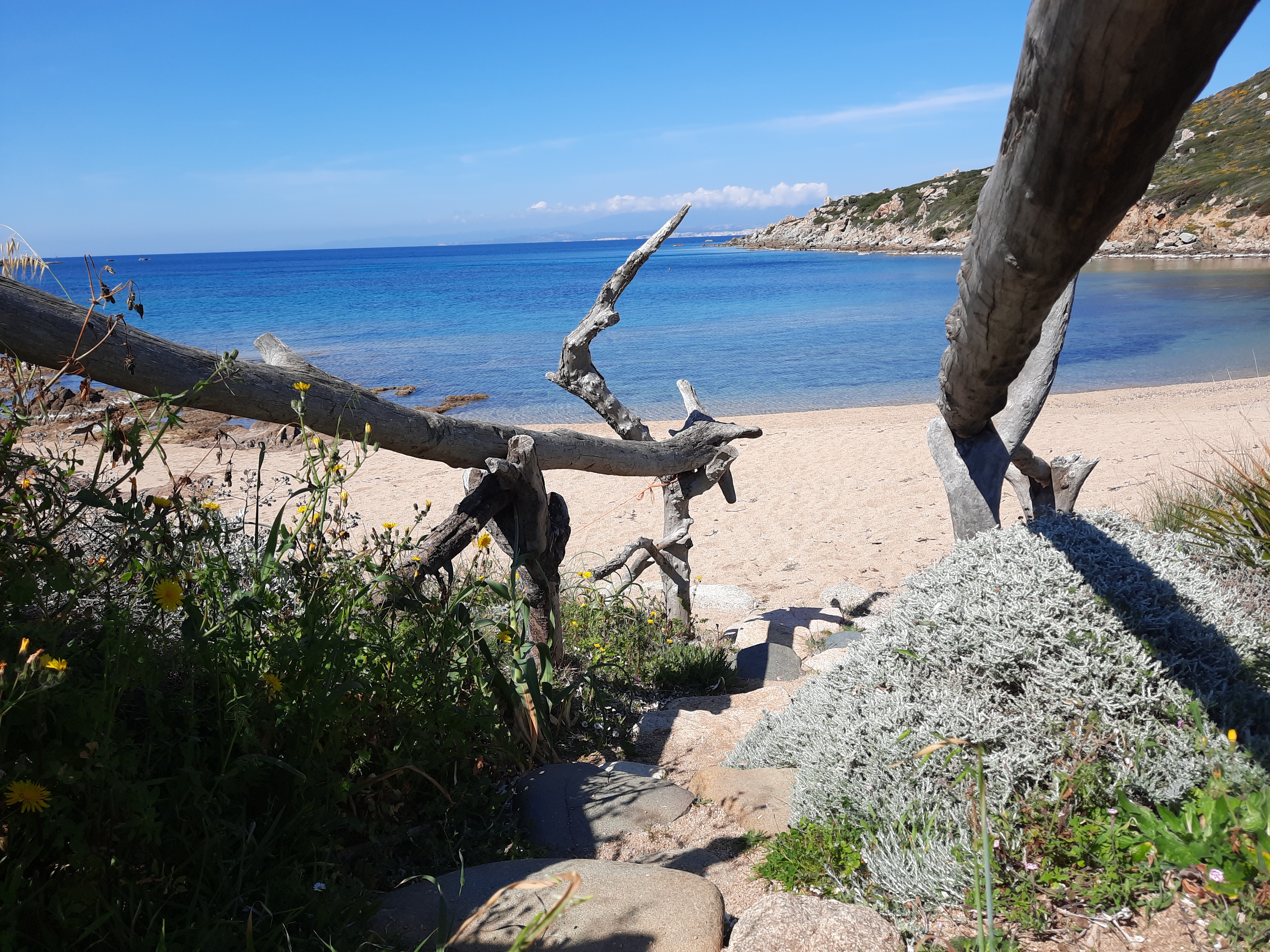
Porto Quadro Holiday Homes Santa Teresa Gallura
📍Very Close
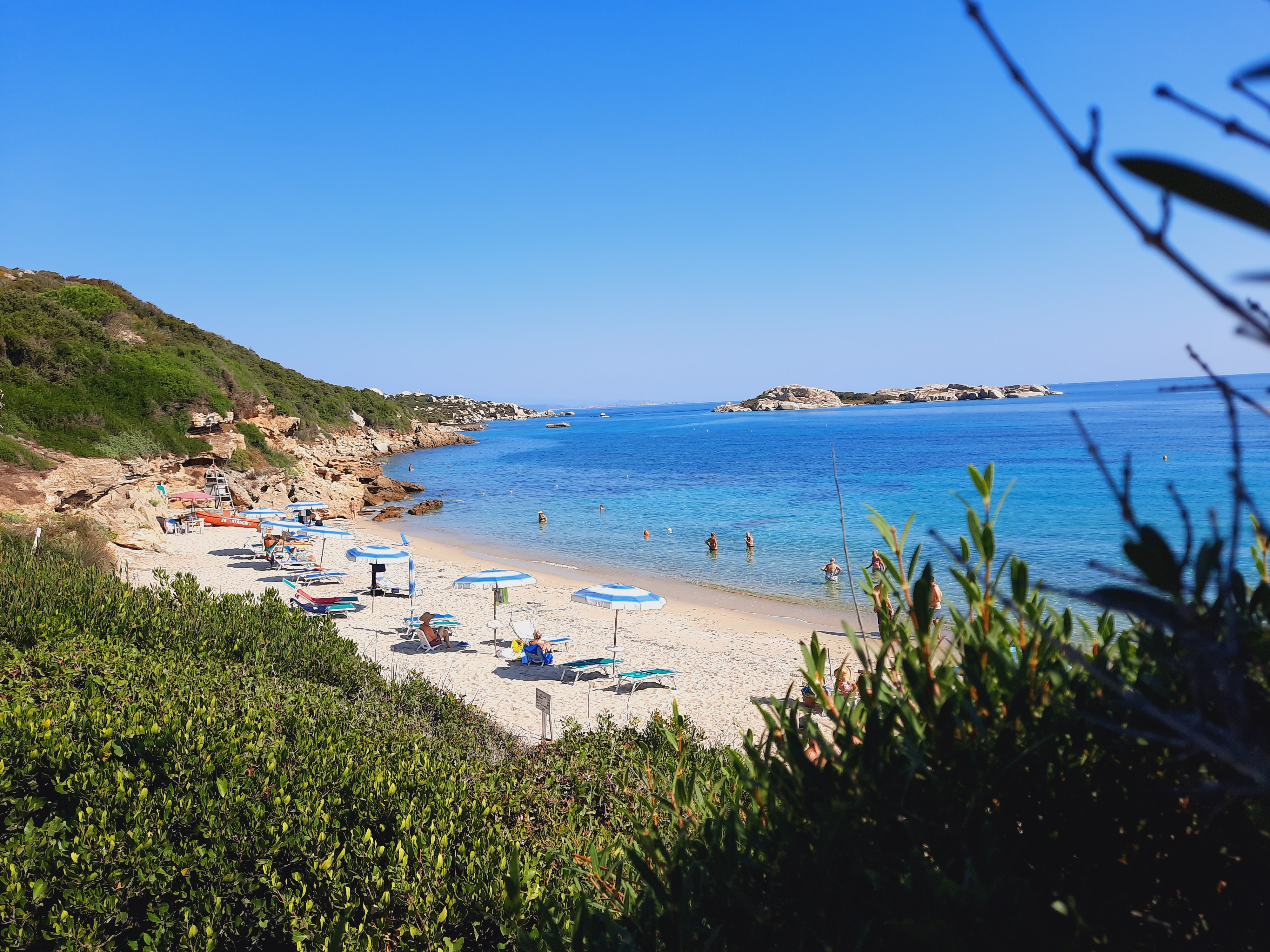
La Marmorata Holiday Homes
📍Very Close

Baia di Ulisse Holiday Apartments
📍Very Close
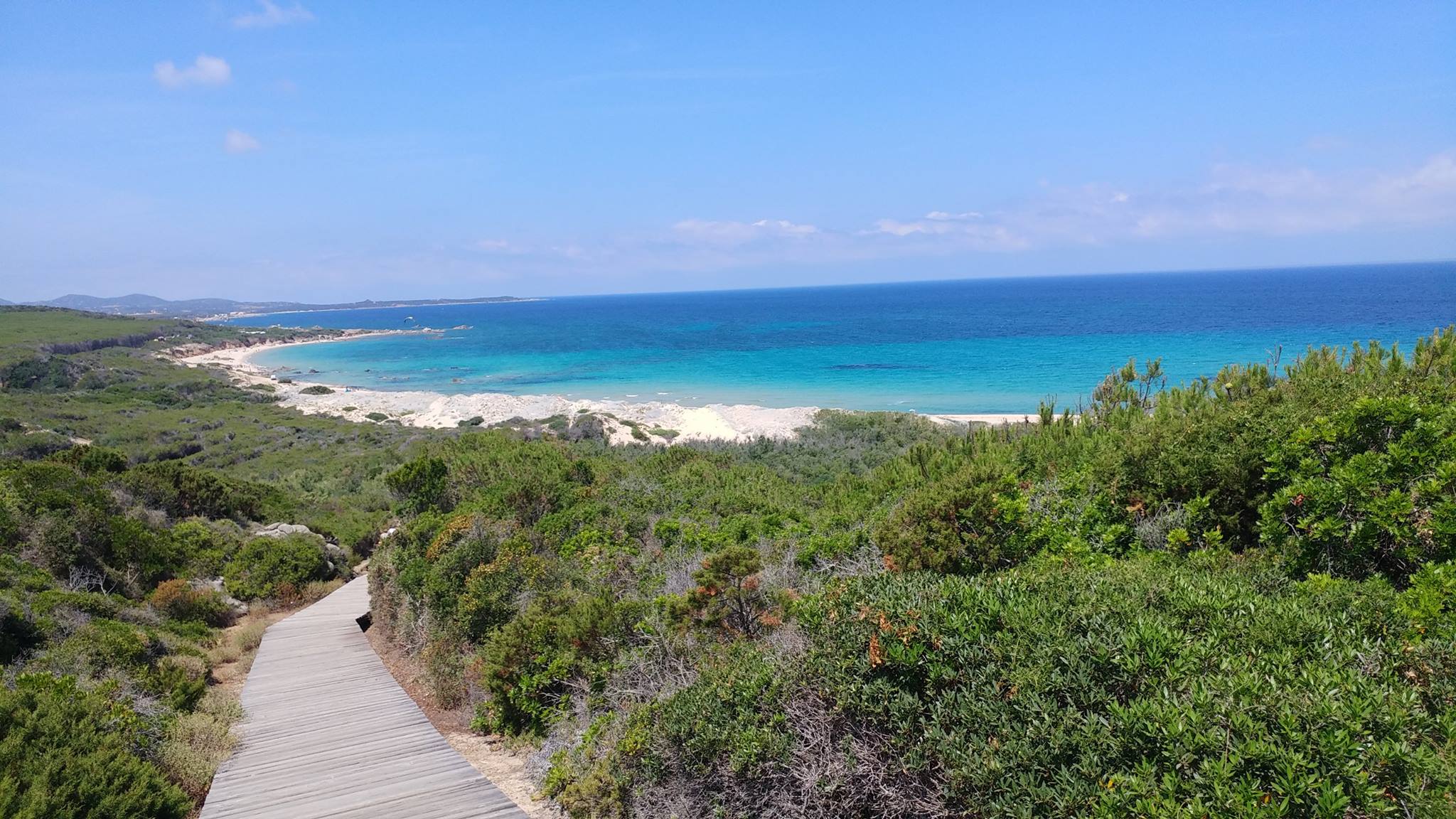
Rena Maiore Villas and Holiday Homes
📍Very Close

Holiday Homes Santa Teresa Gallura
📍Very Close
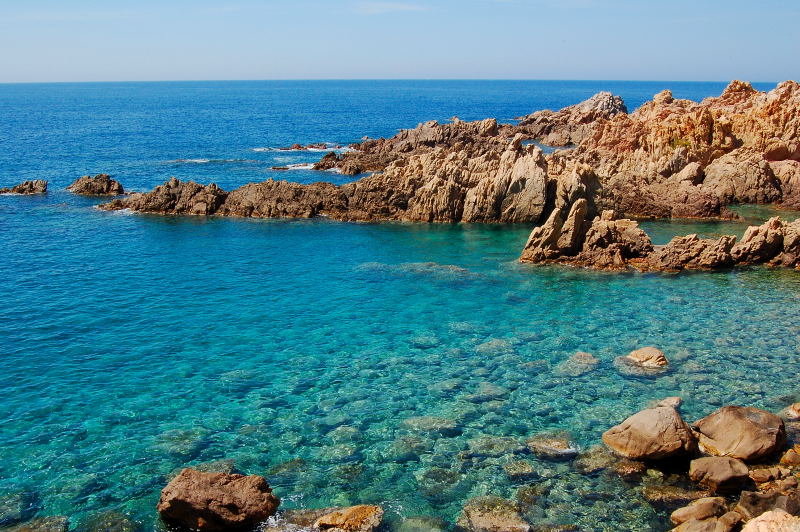
Costa Paradiso
📍Very Close

Lu Pultiddolu Villa, Santa Teresa Gallura
📍Very Close

Ruoni Villas Santa Teresa Gallura
📍Very Close